
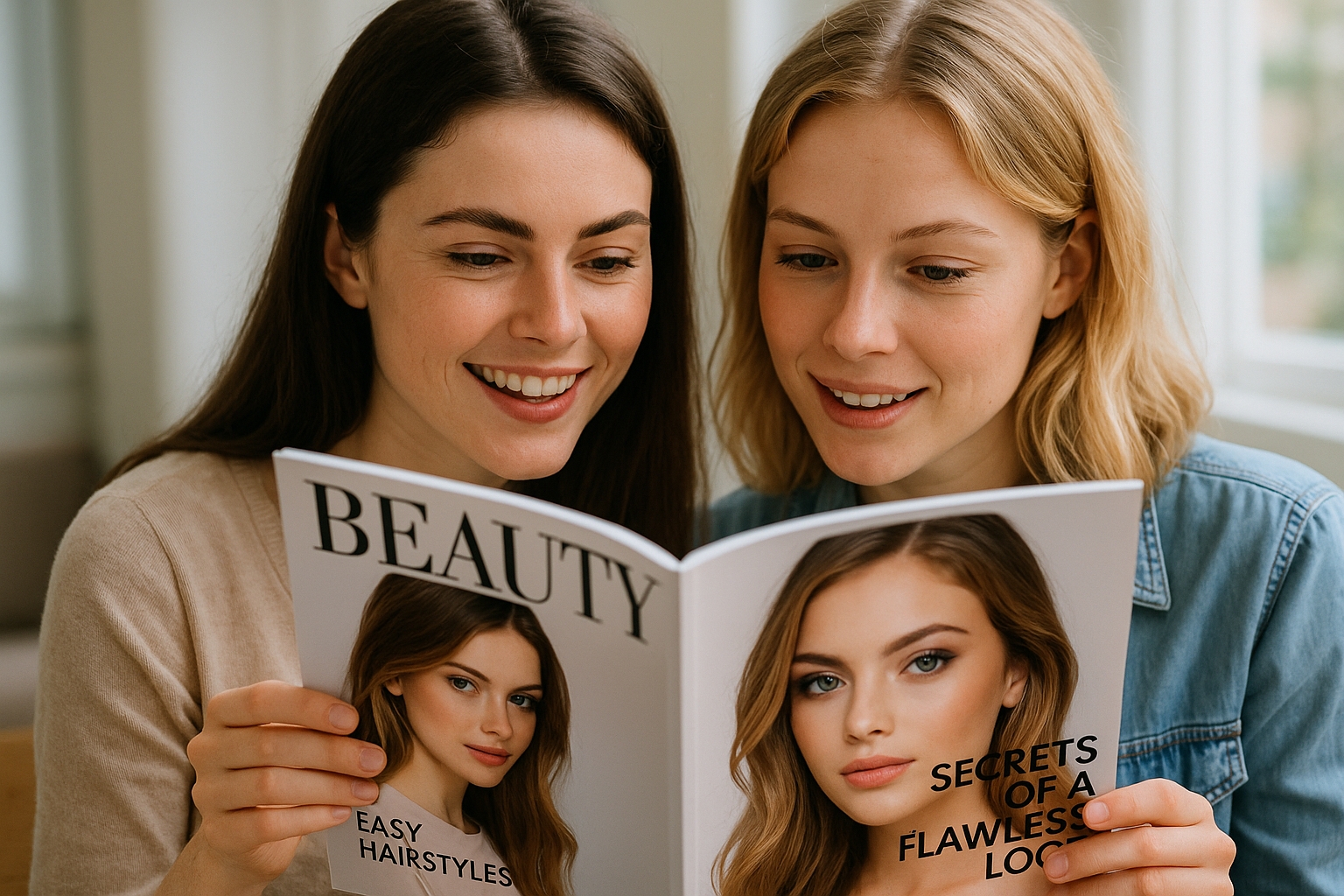
Flipping through the glossy pages of a beauty magazine can feel like stepping into a world where everyone has perfect skin, dazzling hair, and an endless supply of confidence. But what really makes a beauty magazine cover pop? It’s not just about the flawless models or the latest makeup trends; it’s about the art of capturing attention and sparking curiosity.
Imagine a cover that doesn’t just sit on the shelf but practically shouts, “Pick me up!” With vibrant colors and eye-catching headlines, a great magazine cover can turn a casual glance into a must-read experience. So what’s the secret sauce behind these captivating covers? Dive in as we explore the elements that make beauty magazine covers irresistible and the stories they tell beyond the surface.
Table of Contents
ToggleOverview of Beauty Magazine Covers
Beauty magazine covers play a crucial role in capturing the audience’s attention through striking visuals and engaging content. High-quality images of models showcase skin care products, makeup techniques, and hairstyle inspirations, drawing readers into the world of beauty. Compelling headlines often tease articles about beauty secrets, wellness tips, and industry trends, creating excitement and curiosity.
Color palettes contribute significantly to a cover’s allure. Vibrant hues can evoke emotions and influence perceptions about the featured products. Focusing on sleek designs and artistic layouts ensures that a magazine cover stands out on the shelf or in digital formats.
Iconic covers often feature well-known personalities or rising stars, adding an element of relatability. Readers connect with familiar faces and feel inspired by their beauty journeys. Unique concepts, such as diverse representation and thematic storytelling, have transformed modern covers into platforms for advocacy and change in the beauty industry.
Covers serve as a reflection of current trends and culture, adapting to audience preferences over time. Incorporating seasonal elements or highlighting trending products makes them relevant and timely. The collaboration between photographers, stylists, and graphic designers creates a seamless fusion of art and marketing, leading to successful cover designs.
Engagement metrics, such as sales and social media shares, reveal the effectiveness of eye-catching magazine covers. Successful publications consistently analyze data to refine their approaches and cater to constantly evolving audience interests. These insights shape future editions, ensuring that beauty magazines remain captivating and relevant in an ever-changing landscape.
Evolution of Beauty Magazine Covers
Beauty magazine covers have transformed significantly over the decades. This evolution reflects changing societal standards and audience expectations.
Historical Trends
Early beauty magazine covers often showcased idealized images of femininity. They focused on young women with flawless skin and perfect hair, often portraying unattainable beauty standards. The 1960s brought a shift, emphasizing more natural looks and a celebration of individuality. Icons like Twiggy introduced a fresh perspective on beauty, highlighting diverse styles. The 1980s and 1990s saw a surge in celebrity culture, where covers featured well-known personalities, enhancing relatability. Readers connected with these figures, creating a new standard of beauty that embraced both style and substance.
Modern Influences
Contemporary beauty magazine covers reflect ongoing societal developments and cultural shifts. These covers prioritize inclusivity and diversity, featuring models of various ethnicities and body types. Social media’s emergence has increased the demand for authenticity, leading to more realistic portrayals of beauty. Influencers and micro-influencers now play significant roles in shaping trends and cover choices. Additionally, digital platforms impact design strategies, allowing for interactive and multimedia elements. Cover designs often prioritize sustainability, echoing broader environmental concerns. By understanding audience preferences, modern covers not only captivate but also foster community engagement.
Iconic Beauty Magazine Covers
Beauty magazine covers captivate through striking visuals and unique representations of style. They serve as a snapshot of trends and cultural shifts in beauty norms.
Case Studies of Influential Covers
“Vogue” has set iconic standards since its inception, featuring groundbreaking images that reflect beauty ideals. In 2018, “Vogue Italia” controversially showcased models with diverse body types, which challenged traditional beauty norms. “Allure’s” 2014 cover featuring Zendaya highlighted the importance of representation, inspiring discussions on cultural appreciation and appropriation. Each of these covers not only attracted attention but also sparked meaningful conversations within the beauty industry.
Analysis of Popularity and Impact
Engagement metrics reveal the success of specific covers. For instance, “Vogue’s” celebrity covers often generate significant sales spikes, reflecting their market influence. Social media analysis shows that covers featuring diverse models prompt higher shares and likes, indicating shifting audience preferences. The incorporation of current trends ensures relevance and adaptability in a rapidly changing landscape. Emotional connections forged through relatable imagery also enhance the impact of these covers, reinforcing their importance in beauty marketing strategies.
Diversity and Representation in Beauty Magazine Covers
Diverse representation on beauty magazine covers reflects evolving cultural values. Changing standards of beauty recognize a broader definition that extends beyond traditional ideals. Beauty covers now spotlight various body types, skin tones, and ages, representing a more accurate picture of society. Increased visibility of plus-size models and older women illustrates this shift. A study revealed covers featuring diverse models often lead to higher engagement and positive brand perception.
Inclusion of different cultures and identities plays a crucial role in modern cover design. Beauty magazines now feature models from various ethnic backgrounds, highlighting global beauty standards. This inclusivity fosters relatability for readers and invites them to see themselves reflected in the pages. Magazines that incorporate cultural narratives promote understanding and appreciation across communities. Campaigns showcasing multi-ethnic casts contribute to reshaping beauty perceptions, reinforcing that beauty exists in many forms.
The Role of Photography in Beauty Magazine Covers
Photography plays a vital role in the success of beauty magazine covers, acting as the first point of interaction for readers. Striking images capture attention immediately, creating a visual story that draws in the audience.
Visual Aesthetics and Techniques
Visual aesthetics encompass various techniques that enhance the appeal of beauty magazine covers. High-quality images showcase products effectively, utilizing lighting and composition to highlight features like glowing skin and vibrant colors. Soft focuses and sharp contrasts often create dynamic visuals, encouraging readers to look closer. Additionally, photographers may employ diverse styles, from glossy finishes to matte textures, ensuring each cover stands out on the shelf. By implementing unique perspectives and angles, they convey emotions that resonate with the audience, reinforcing the brand identity.
The Importance of Design Elements
Design elements contribute significantly to the overall effectiveness of beauty magazine covers. Typography choices, such as font styles and sizes, complement photographs and enhance readability. Well-placed headlines grab attention, teasing exclusive content and prompting curiosity. Color schemes must evoke specific feelings, with bright hues stimulating excitement and pastels creating a sense of calm. Layouts that balance images and text provide a cohesive look, guiding the reader’s eye smoothly across the cover. Through careful integration of these elements, covers promote a beautiful aesthetic that ultimately boosts sales and engagement.
Beauty magazine covers are more than just eye-catching visuals; they reflect cultural shifts and evolving beauty standards. By embracing diversity and inclusivity, these covers resonate with a broader audience and foster connections that go beyond aesthetics. The artistry involved in their design captures attention and invites readers to explore the stories within.
As the beauty landscape continues to change, magazine covers will likely adapt to new trends and audience preferences. Their role in shaping perceptions of beauty remains vital, influencing not only consumer choices but also the broader conversation about representation in the beauty industry. Ultimately, beauty magazine covers serve as powerful tools that inspire and engage, marking significant moments in the ever-evolving narrative of beauty.

